






5 Tips for Teaching Teens to Drive
Auto accidents are the number one cause of death for American teenagers. Therefore, it’s essential to make sure your teenage child knows and follows the best practices for safe driving before they start hitting the road on their own. Use the following tips to teach your teen how to drive properly and safely.
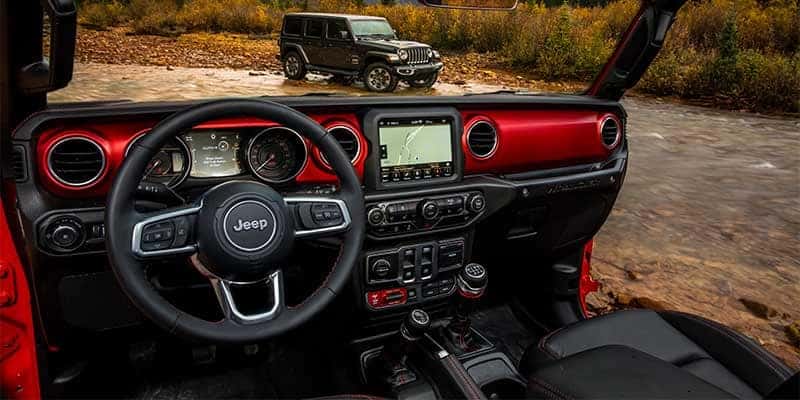
Give a Tour of Your Vehicle
Before your teen puts the key in the ignition, they need to have a good understanding of how your vehicle works. If they don’t know where the signals, controls, and adjustments are located and how to properly use them, they’re more likely to make mistakes while driving. This can increase their chances of getting into an accident.
The first thing you should do is to help your teen find the right driving position. Teach them how to adjust the driver’s seat and steering wheel so that they feel comfortable while having good control over the vehicle. Also, you have to show them where they should put their hands on the steering wheel and how to adjust the mirrors. Then, you can proceed to give them an education on how the following controls and features work:
- Safety features, such as seat belts and airbags.
- Gas and brake pedals.
- Parking brake and release.
- Turn signals.
- Headlights.
- High-beam lights.
- Emergency lights.
- Windshield wipers.
- Warning indicator lights, such as low fuel, temperature, and oil indicators.
- Dashboard controls.
- Ignition.
You have to make sure your teen is familiar with all of these controls and features before you allow them to start the engine. Additionally, it’s a good idea to let them know where you keep the vehicle registration, insurance card, and owner’s manual.

Go To an Empty Parking Lot
The best place to conduct your first lesson is in an empty parking lot or any other place with little to no traffic and plenty of space. If your teen hasn’t driven a car before, there’s a likelihood that they may mistake the gas pedal for the brake pedal or misjudge how soon to start turning. If there are vehicles, curbs, fences, trees, or people nearby, a collision could ensue.
In the first few lessons, have your teen practice applying the right amounts of pressure on the gas and brake pedals, driving in a straight line, making turns, and backing up. This will allow them to get a feel for the car. After they have mastered these basic skills, you can ask them to perform more challenging tasks, such as driving into and out of a parking spot. Also, this is a good time to teach your teen how to be aware of their surroundings, such as looking ahead and sideways and checking the mirrors and blind spots.

Plan Your Routes
When your teen is comfortable and confident with the basic operation of the vehicle, it’s time for them to drive on the streets. Before you begin this phase of the training, you should spend some time planning your routes. Make sure the routes you choose are suitable for your teen’s skill level.
The first routes you choose should be in low-traffic, low-speed areas. Ideally, they should have a speed limit below 35 mph. Let your teen know that the posted speed limit only serves as a guide for an acceptable speed when driving in good conditions, and they should drive slower in bad weather or heavy traffic. Once they show that they’re able to drive safely on quiet streets, you can proceed to busier and more complex routes. Vary your routes to enable your teen to practice the following driving skills:
- Turning at the right speeds and with the right signals.
- Braking slowly and smoothly to come to a complete stop.
- Accelerating smoothly and steadily to a safe speed.
- Approaching intersections with traffic lights and stop signs.
- Understanding right of way.
- Driving on single-lane and multi-lane roadways.
- Changing lanes and merging into traffic safely.
- Driving at appropriate speeds in different situations.
- Maintaining a safe following distance.
- Scanning for hazards.
- Sharing the road with motorcyclists, cyclists, and pedestrians.
- Using turning lanes.

Keep Your Cool
Generally, teaching someone to drive isn’t an easy task. You should expect things to get heated from time to time because teens can be somewhat touchy. However, you have to try your best to keep your cool regardless of how frustrated you feel. Remember that you also had your share of difficulties when you were learning to drive in your teenage years.
Overreacting or yelling when your teen makes a mistake won’t help. Instead, it can cause them to lose confidence and make the learning process even harder. Additionally, it may distract them and lead to an accident. The best thing to do is to gently explain to your teen what they did wrong and how they can correct their mistake. This gives your teen the reassurance that you truly want to help them improve their driving skills, which can increase their motivation to learn.
Practice Frequently
Perhaps the best way to ensure your teen practices safe driving is to give them as much supervised practice as you can. During the practice sessions, you should try your best to focus on their driving performance and behavior. Avoid bringing up sensitive subjects such as grades, homework, or anything else that may cause distraction. Also, it’s best that you don’t check or use your phone while the vehicle is moving. When you’re paying attention to your teen’s driving, you can also help them detect and avoid potential hazards.
Besides practicing frequently, you should also have your teen drive at different times of the day and in different weather conditions. This will give them a better feel of how your vehicle behaves in rainy or snowy conditions. Frequent practice is important because it enables your teen to feel increasingly comfortable and confident behind the wheel, which makes them less likely to make mistakes on the road.
So, these are the five of the most important tips for teaching a teenager to drive, according to the staff at Oxmoor Chrysler Dodge Jeep RAM. If you need more safe driving tips, feel free to drop us a line. We’ll be more than happy to help.
0 comment(s) so far on 5 Tips for Teaching Teens to Drive